What Is Nipah Virus? Symptoms, Transmission, and Prevention You Should Know
Nipah Virus: What You Should Know About This Rare but Serious Infection
Learn what Nipah virus is, how it spreads, common symptoms, why it is a public health concern, and how to reduce your risk through simple prevention steps.
What Is Nipah Virus?
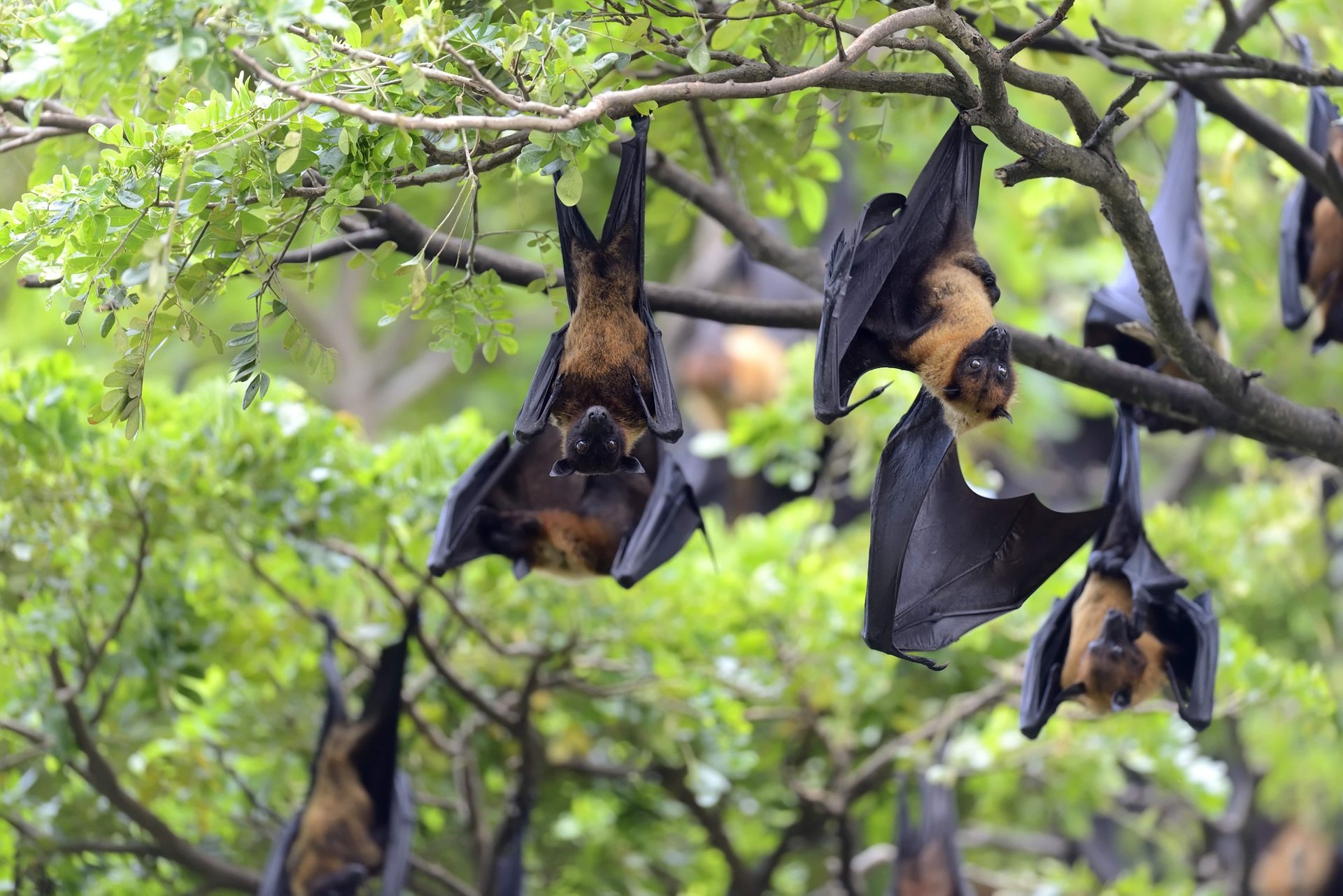
Nipah virus, also known as NiV, is a zoonotic virus, which means it can spread from animals to humans. The natural hosts of Nipah virus are fruit bats of the Pteropodidae family, often known as flying foxes. Although Nipah virus infection is rare, it is considered a serious public health concern because it can cause severe illness, including respiratory disease and brain inflammation.

Nipah virus was first identified in 1998 during an outbreak among pig farmers in Malaysia. Since then, outbreaks or cases have been reported in countries including Bangladesh, India, Malaysia, the Philippines, and Singapore.
How Does Nipah Virus Spread?
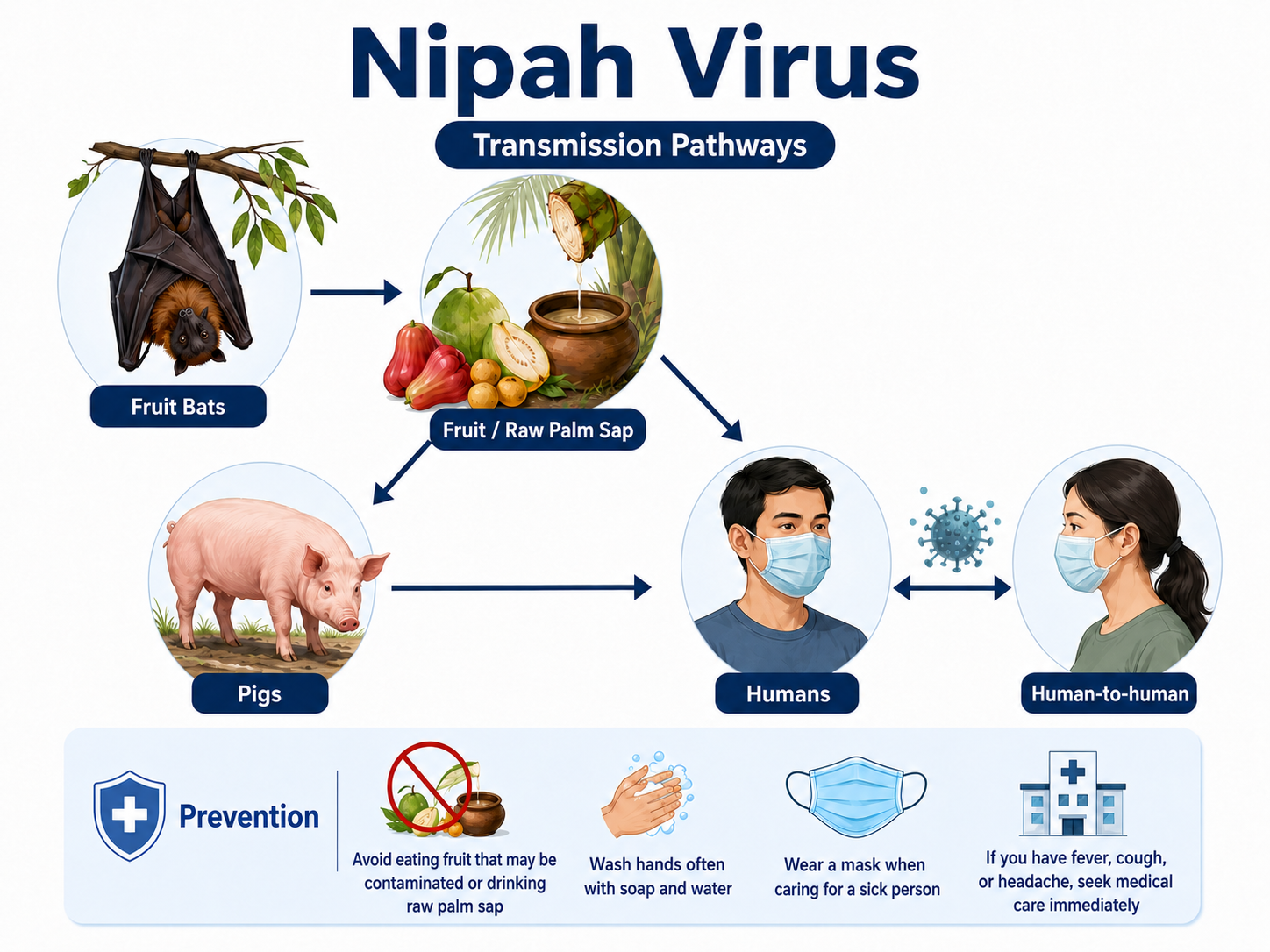
Nipah virus does not spread as easily as common respiratory viruses, but it can be transmitted in several ways. Infection often begins when people come into contact with infected animals or contaminated food.
The main routes of transmission include:
1. From bats to humans
Fruit bats can contaminate fruit, raw date palm sap, or other food sources with saliva, urine, or droppings. People may become infected if they consume food or drinks contaminated by bats.
2. From animals to humans
Nipah virus can also spread through close contact with infected animals, especially pigs. This was an important route of transmission during the first known outbreak in Malaysia.
3. From person to person
Human-to-human transmission can occur through close contact with an infected person’s body fluids, especially among caregivers, family members, or healthcare workers when proper infection prevention measures are not used.
Symptoms of Nipah Virus Infection
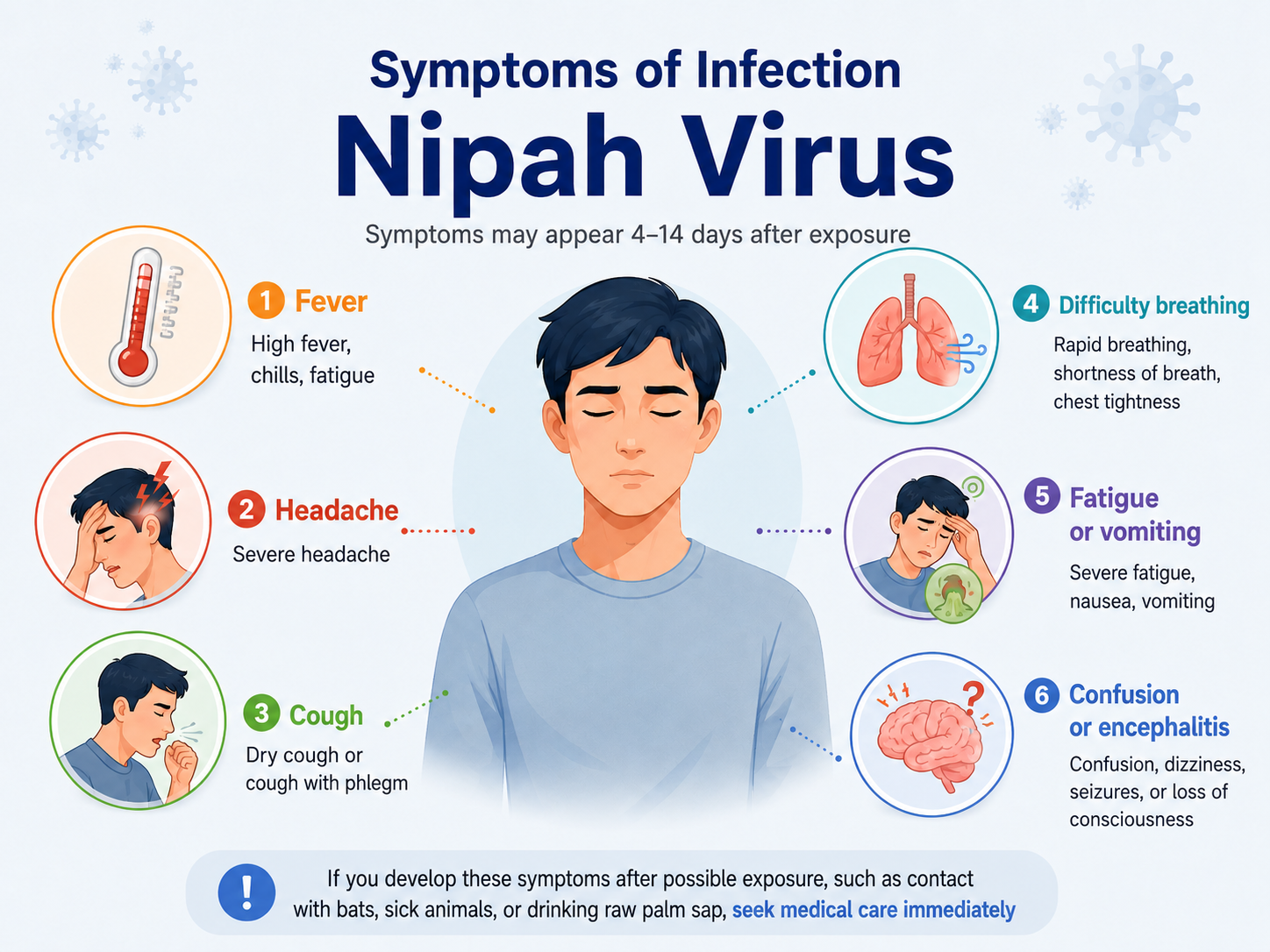
Symptoms can range from mild illness to severe disease. Early symptoms may look similar to other viral infections, which can make Nipah virus difficult to recognize at first. According to WHO and CDC, symptoms may involve the brain, lungs, or both.Common early symptoms may include:
- Fever
- Headache
- Cough
- Sore throat
- Difficulty breathing
- Vomiting
- Fatigue or weakness
In more severe cases, Nipah virus can cause encephalitis, or inflammation of the brain. This may lead to confusion, drowsiness, disorientation, seizures, coma, and in some cases death.
Why Is Nipah Virus a Concern?
Nipah virus is concerning because it can cause severe illness and has a high case fatality rate. WHO estimates the case fatality rate at 40% to 75%, depending on the outbreak setting and the quality of clinical care available.
Another reason Nipah virus is closely monitored is that there is currently no approved specific treatment or vaccine for Nipah virus infection. Care is mainly supportive, meaning patients receive treatment to manage symptoms, support breathing, control complications, and monitor neurological symptoms. Early intensive supportive care can improve survival.
How to Reduce the Risk of Nipah Virus Infection
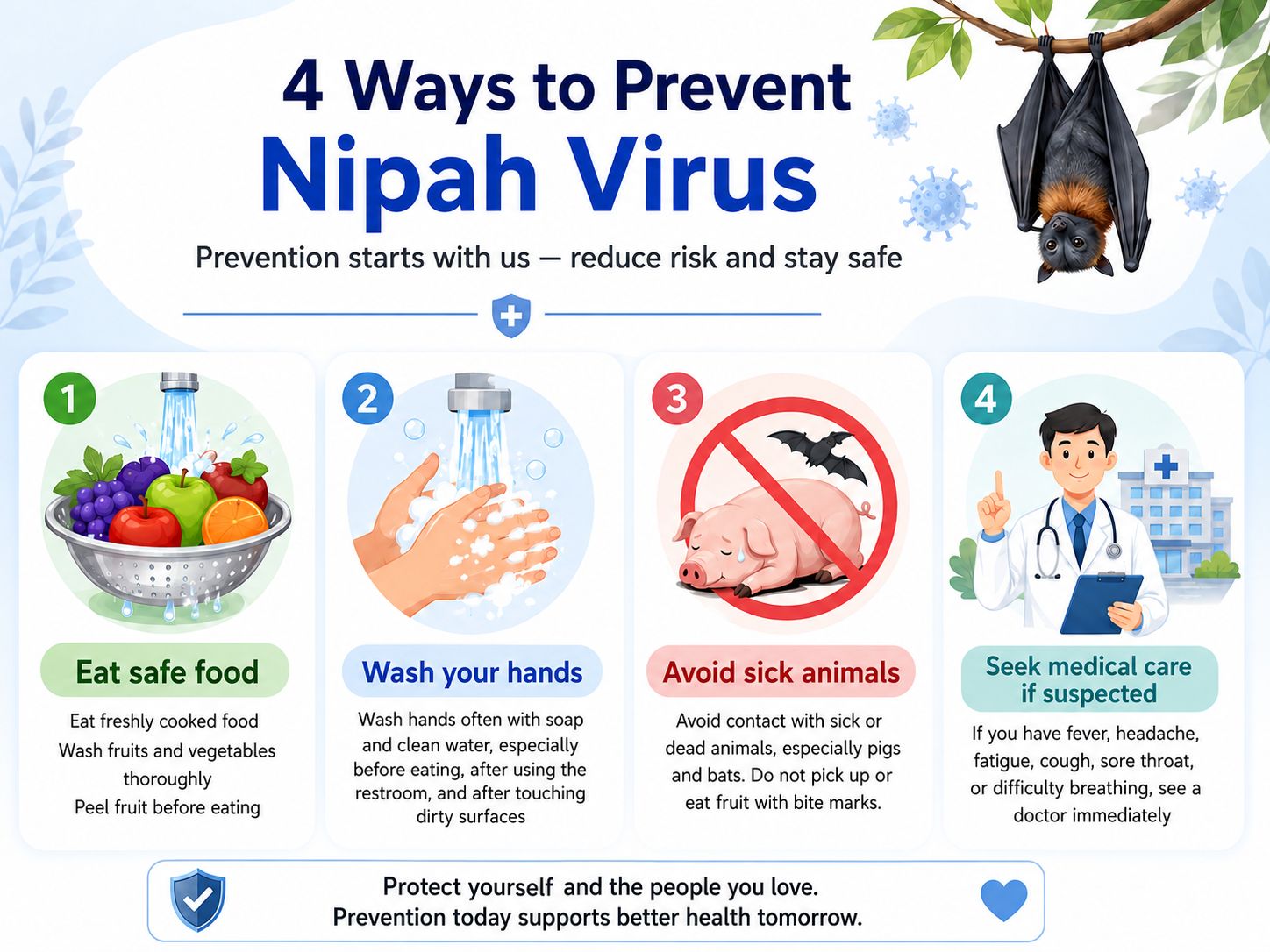
The good news is that the risk of infection can be reduced through simple prevention steps, especially in areas where Nipah virus has been reported.
1. Choose safe food and drinks
Avoid eating fruit that has fallen to the ground or shows signs of animal bites. Wash fruit thoroughly and peel it before eating. Avoid raw date palm sap or other drinks that may have been exposed to bats.
2. Avoid contact with bats and sick animals
Do not touch fruit bats, sick pigs, or animals that appear ill. People who work with animals should use protective equipment and wash their hands after handling animals or cleaning animal areas.
3. Practice good hygiene
Wash your hands regularly with soap and water, especially after contact with animals, after caring for someone who is sick, and before eating.
4. Use precautions around sick people
Avoid direct contact with the blood, saliva, respiratory droplets, or other body fluids of someone who may have Nipah virus infection. Healthcare workers should use appropriate personal protective equipment when caring for suspected or confirmed cases.
When Should You See a Doctor?
Seek medical care immediately if you develop fever, headache, cough, breathing difficulty, confusion, drowsiness, seizures, or unusual weakness after possible exposure to Nipah virus. This is especially important if you have recently traveled to an area where Nipah virus has been reported, had contact with bats or sick animals, consumed raw date palm sap, or cared for someone with suspected infection.
Final Thoughts
Nipah virus is rare, but it is a serious disease that should not be ignored. Understanding how it spreads is the first step toward prevention. By choosing safe food, washing hands regularly, avoiding sick animals, and seeking medical care early when symptoms appear, individuals and communities can reduce the risk of infection.
The key message is simple: stay informed, stay careful, but do not panic.